

Why Americans are Choosing Prague
If you’re thinking about how to move abroad as an American to Prague, you’re not alone. Over the past decade, Prague has become one of Europe’s most attractive cities for U.S. expats, digital nomads, students, and entrepreneurs.
With its central European location, affordable cost of living compared to major U.S. cities, walkable neighborhoods, and rich history, Prague combines old-world charm with modern convenience.
But here’s the honest truth: moving abroad isn’t just about the romanticized version you see online. You need to understand the language barrier, monthly costs, cultural expectations, and whether this city actually fits your lifestyle and goals.
This guide breaks it all down.
Understanding the Language Barrier in Prague
Do You Need to Speak Czech to Live in Prague?
The short answer: No — but it helps.
Czech is the official language of the Czech Republic, and while Prague is the most English-friendly city in the country, English is not universally spoken.
Where English Is Common
- Restaurants and cafes in central districts
- Hotels and tourism services
- International companies and startups
- Universities and international student services

Where Czech Is Often Required
- Government offices and visa appointments
- Rental contracts and housing documents
- Postal services
- Some healthcare providers outside private clinics
My Experience: Navigating Prague with Zero Czech
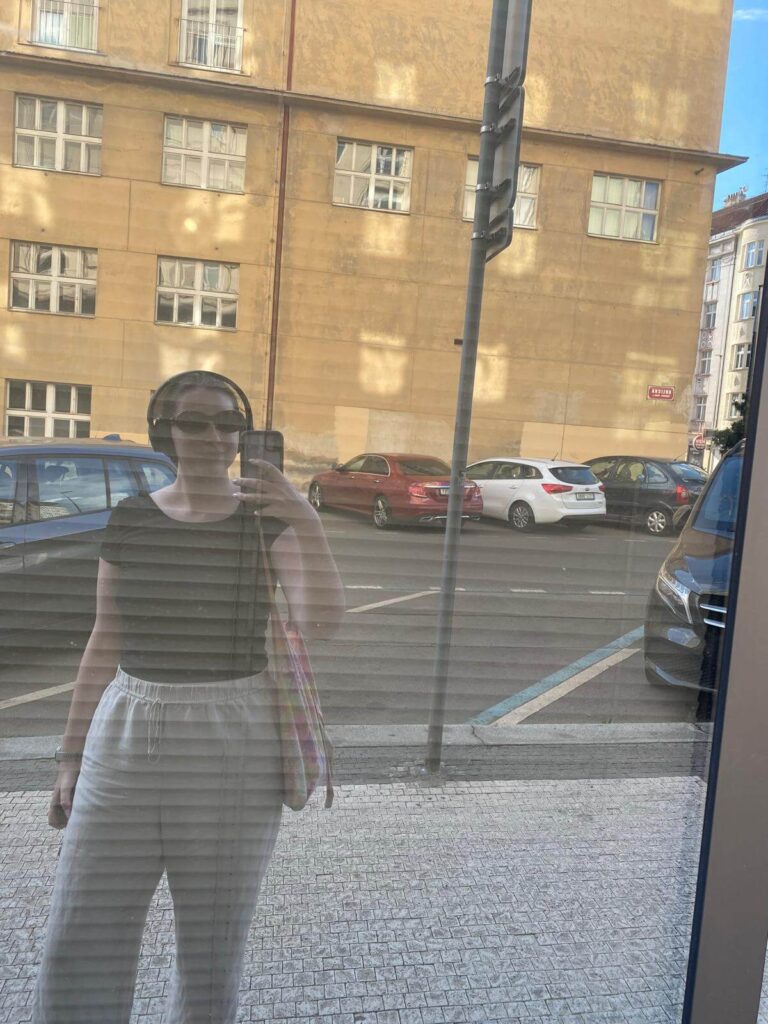
When I moved abroad to Prague for my Master’s program, I knew virtually zero Czech. Honestly, day-to-day life was fine — ordering coffee, navigating public transport, shopping at grocery stores, even socializing with classmates presented no major issues.
But there were three situations where the language barrier became genuinely challenging:
1. Applying for my residence permit
Standing in a government office where no one spoke English, trying to understand which form I needed and what documents were missing, was one of the most intimidating experiences of my move.
2. Registering my address
This is a required step for all foreigners staying longer than 30 days. The forms were entirely in Czech, and the office staff had limited patience for translation apps.
3. Going to the post office
Trying to send a package or pick up a delivery when the clerk doesn’t speak English and you don’t understand the Czech instructions? Incredibly stressful.
Here’s what I learned: These situations are still doable — I got through them — but they would have been infinitely easier with help.
My Advice
Option 1: Bring a Czech-speaking friend
If you have any local connections (classmates, coworkers, friends), ask if they can accompany you to key appointments. Even just having someone there for moral support makes a huge difference.
Option 2: Budget for a translator or relocation consultant
Especially for residence permit applications, this can save you hours of frustration and potential mistakes. Expect to pay €50–€150 depending on the service.
Reality Check
Most Americans successfully live in Prague with limited Czech — I did, and so do thousands of other expats. But expect official paperwork to be in Czech, and expect to feel lost at least a few times during your first few months.
The good news? The expat community is strong, and there are plenty of resources (Facebook groups, relocation services, language exchange meetups) to help you navigate the tricky parts.
Prague Cost of Living Breakdown
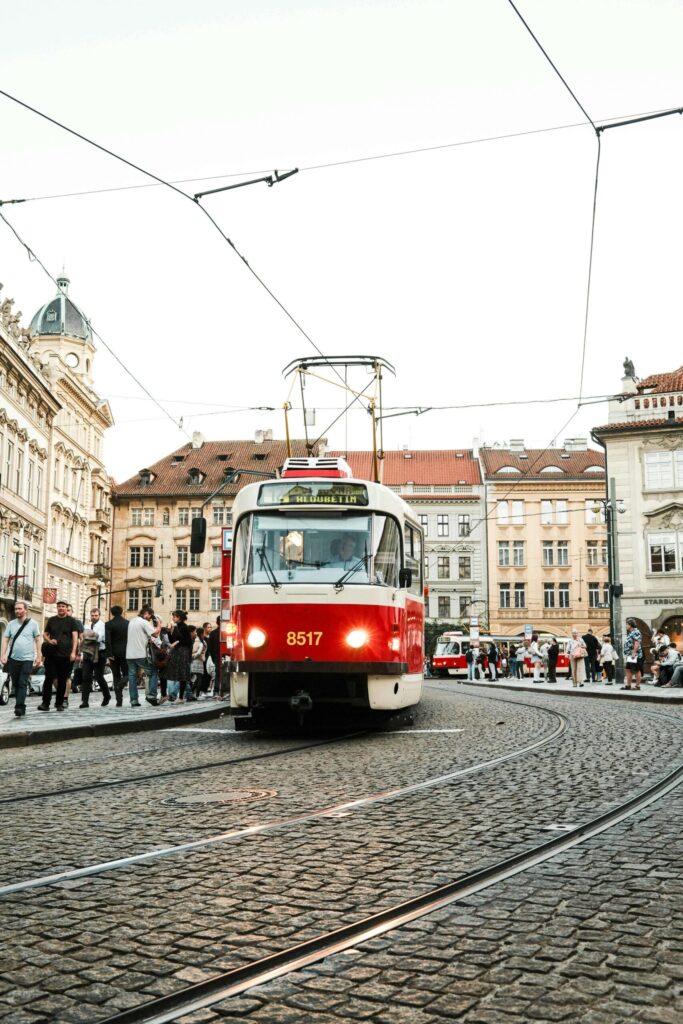
One of the biggest reasons Americans consider moving to Prague is affordability.
Important note: The Czech Republic uses the Czech koruna (CZK), not the euro. The exchange rate to USD fluctuates, but typically hovers around 22-25 CZK to 1 USD. For simplicity’s sake, I’ve converted prices to dollars in this guide, but you’ll want to monitor current exchange rates when budgeting.
Let’s look at practical monthly estimates for a single person in 2026:
Housing
Housing costs in Prague vary greatly depending on location, apartment type, and how you secure your rental (direct from landlord, through an agency, or via expat-focused platforms).
As a rough baseline:
- City center apartments: Higher end of the spectrum
- Residential neighborhoods outside the center: More affordable
- Shared apartments, dorms or studio flats: Budget-friendly options
I’ll be covering Prague housing in detail in an upcoming post, including neighborhood breakdowns, how to find apartments, what to expect in rental contracts, and realistic price ranges based on area.
Utilities + Internet:
- $150–$250/month
Groceries:
- $150-400/month (depending on family size)
Transportation:
- Annual pass: $150 (about $12.50/month)
- Prague’s public transportation is excellent and there is virtually no need for a car.
Health Insurance
- Americans must carry approved health insurance for visa purposes.
- Public system access (if eligible through employment or studies)
- Private expat insurance: $35–$150/month depending on coverage and provider
Total Estimated Monthly Budget
- Budget lifestyle: $1,400–$2,000
- Comfortable lifestyle: $2,000–$2,800+
Note: These estimates assume you’re not paying premium prices for expat-marketed housing. Your actual costs will depend heavily on your housing choice and lifestyle.
Compared to cities like New York, Los Angeles, or Chicago, Prague can feel significantly more affordable — especially for remote workers earning U.S. salaries.
Cultural Adjustment Expectations
Moving to Prague means adjusting — even if you’ve traveled before.
Communication Style
Czech communication can feel direct. It’s not rude — it’s simply straightforward.
Americans often interpret this as coldness at first. Over time, many expats appreciate the honesty.
A Few Lifestyle Differences
- Sundays are quiet
- Stores close earlier than in the U.S.
- Tipping culture is different (you typically just round up a bit)
Adjusting takes 3–6 months for most expats. Culture shock is real — but manageable.
Who Prague Is Ideal For (And Who It’s Not)

Prague Is Ideal For:
- International students
- Digital nomads wanting a European base
- Entrepreneurs in tech or creative industries
- Americans seeking urban European living
- People comfortable navigating bureaucracy
Prague May Not Be Ideal For:
- Those expecting American-style customer service
- People unwilling to learn basic Czech
- Families needing large suburban homes
- Anyone uncomfortable with slower administrative systems
Prague offers charm, culture, and walkability — but it isn’t a U.S. city in Europe.
Visa & Legal Basics: What Americans Need to Know
As an American, you can enter the Schengen Area visa-free for up to 90 days within any 180-day period. But if you’re planning to stay longer — whether for work, study, or a permanent move abroad — you’ll need a long-term visa or residence permit.
Common visa options for Americans:
- Long-term visa for business – Popular with freelancers and digital nomads
- Employee card – For those with a Czech job offer
- Student visa – For degree programs or language courses
- Family reunification – If joining a spouse or family member
Important to know:
- Applications must be submitted at a Czech consulate in the U.S. before you move (in most cases)
- Processing times typically range from 60–120 days
- You’ll need apostilled documents, proof of housing, health insurance, and financial means
- The process involves a lot of paperwork — and yes, much of it is in Czech
- I navigated the student visa process, and while it was manageable, it required patience and careful attention to detail.
→ Looking for the full breakdown? I’ve put together a complete guide to navigating the Czech student visa and residence permit process — start with Part 1 here.
Frequently Asked Questions
Can Americans move to Prague without knowing Czech?
Yes, especially in Prague — but paperwork and bureaucracy will be more challenging without basic Czech skills.
Is Prague cheaper than the United States?
Generally yes, particularly compared to major metropolitan cities.
How much money should I save before I move abroad?
At least 3–6 months of living expenses ($6,000–$12,000 recommended).
Is Prague safe?
Prague consistently ranks as one of Europe’s safer capital cities.

Final Thoughts: Is Prague Right for You?
The decision to move abroad is equal parts logistics and lifestyle shift.
Prague offers:
- Historic beauty
- Strong public transit
- Central European access
- A growing expat network
- Lower living costs than most major U.S. cities
But it also requires:
- Patience with bureaucracy
- Cultural adaptability
- Realistic expectations
- Tolerance for brutal winters
If you’re independent, flexible, and curious about European living, Prague can be an incredible place to build your next chapter.